

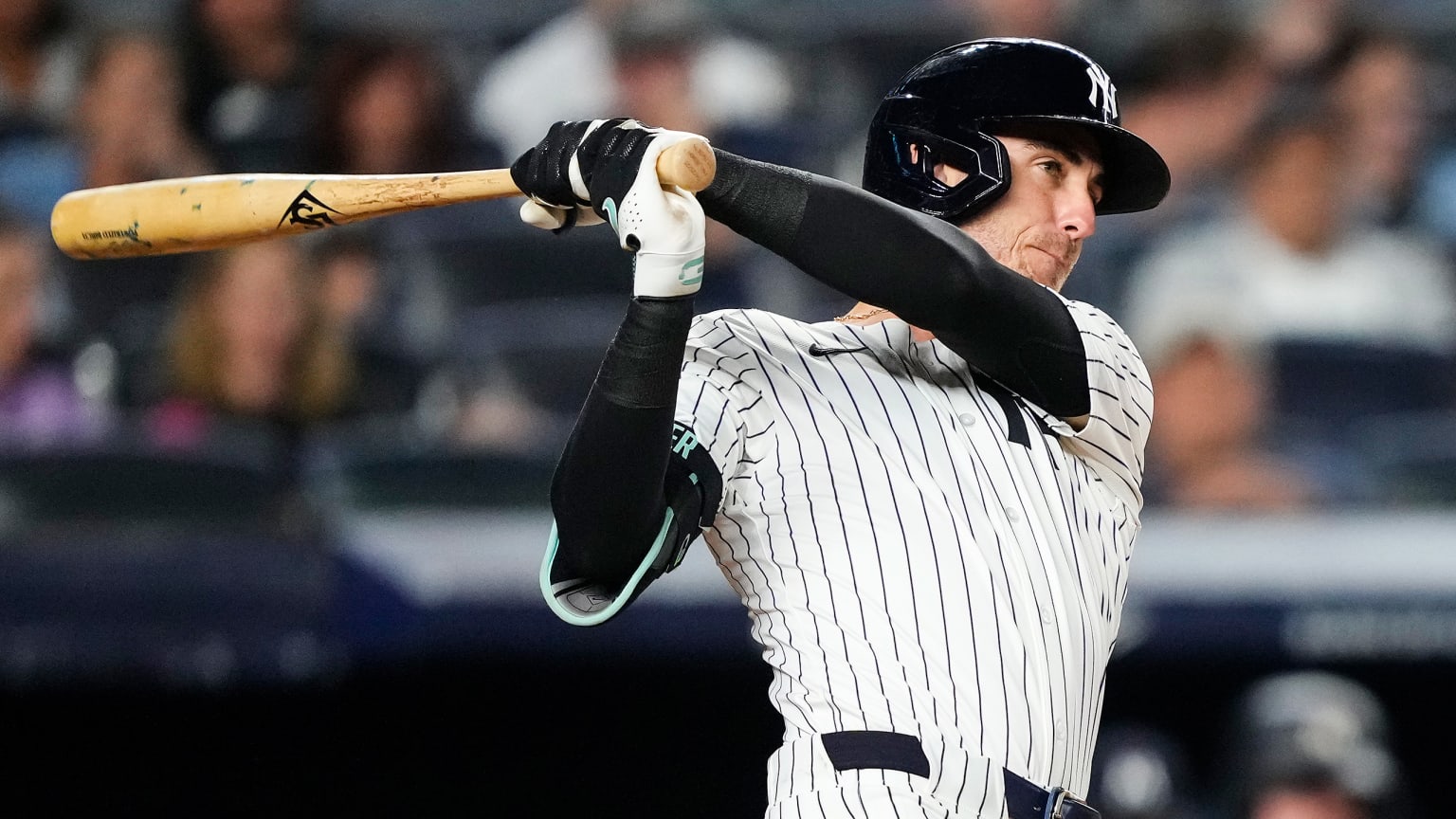
One of the most important dynamics in the Cody Bellinger negotiations is the absence of a true bidding war. While several teams have checked in, there has been no clear indication that another club is willing to surpass the Yankees in both years and financial commitment. Most recently offering Bellinger a five-year deal for at least $30 Million, the urgency hasn’t matched what the offer suggests.
The Yankees, meanwhile, are negotiating from a position of relative strength. They already know Bellinger fits their roster, clubhouse, and competitive window. They’re not guessing. At the same time, they’re not negotiating out of desperation. Their lineup can function without him, even if it’s less balanced, which allows the front office to remain disciplined rather than reactive.
This isn’t posturing. It’s a reflection of how the Yankees now approach roster building. The days of reflexively outbidding the market are over. Instead, they’re focused on extracting maximum value per dollar, even when dealing with high-profile talent.
Evaluating Bellinger Beyond the Surface Numbers
Bellinger’s case is compelling because his value doesn’t rest solely on traditional offensive metrics. His defensive flexibility has a ripple effect across the roster, enabling the Yankees to optimize matchups and protect against injuries without sacrificing run prevention. That type of value is difficult to quantify, but front offices factor it heavily into long-term projections.
At the plate, his production last season was not the product of luck or short-term variance. His approach improved, his contact quality stabilized, and he showed a renewed ability to handle velocity and spin—two areas that had previously undermined his consistency. From an analytical standpoint, that makes his rebound more believable, though not risk-free.
The Yankees are clearly acknowledging that upside in their offer. What they’re unwilling to do is assume that peak performance will persist deep into a long-term deal without safeguards. That’s where opt-outs and incentives become essential tools rather than concessions.
Contract Structure Over Contract Size
One of the most revealing aspects of the reported negotiations is the Yankees’ willingness to adjust structure while holding firm on years. Opt-outs favor players who believe in sustained performance, while bonuses and front-loaded money reduce uncertainty without locking the team into unproductive seasons down the road.
This approach allows the Yankees to signal respect without surrendering control. If Bellinger performs at an elite level, he retains the ability to re-enter the market. If performance declines, the Yankees are protected from carrying an immovable contract that restricts future flexibility.
That balance is intentional. It reflects a front office that understands risk not as something to avoid entirely, but something to manage intelligently.
The Competitive Window Is Narrower Than It Appears
While the Yankees are perennial contenders, their championship window is not infinite. Several core players are either approaching decline phases or nearing contractual crossroads of their own. That reality forces the organization to weigh short-term impact against long-term sustainability with every major decision.
Bellinger fits the short-term competitive timeline extremely well. The question is whether he fits just as cleanly in years six, seven, or eight of a deal. The Yankees’ hesitation suggests they’re comfortable betting on the present but unwilling to mortgage the future for certainty today.
That isn’t conservatism—it’s prioritization.
The Clubhouse and Identity Factor
There’s also an internal dimension to this negotiation that rarely makes headlines. Bellinger integrated seamlessly into the clubhouse, embraced the expectations that come with playing in New York, and handled pressure environments without visible regression. For the Yankees, those traits matter more than they’re often credited for publicly.
Players who thrive under scrutiny reduce organizational risk. That’s one reason the Yankees are pushing to retain him rather than pivot quickly to alternatives. Familiarity has value, especially when paired with production.
However, familiarity alone doesn’t justify a contract that extends beyond internal comfort thresholds. The front office appears determined to ensure that emotional factors don’t override objective analysis.
A Resolution Likely Comes Down to Philosophy, Not Money
This negotiation is less about dollars than it is about belief. Bellinger’s camp believes his recent performance represents a stable new baseline. The Yankees believe it represents a strong but potentially volatile phase that requires contractual protection.
Both positions are rational. That’s what makes the standoff legitimate rather than performative.
If an agreement is reached, it will almost certainly involve creative structuring rather than headline-grabbing numbers. If it doesn’t, the Yankees will walk away confident that they upheld their process rather than reacting to external pressure.
Final Outlook
Cody Bellinger remains a strong fit for the Yankees, both in terms of talent and roster composition. The organization’s willingness to negotiate creatively signals genuine interest, not indifference. At the same time, their refusal to cross certain structural boundaries reflects a front office that has learned from past excesses.
Whether Bellinger ultimately stays in pinstripes will depend on whether both sides can align not just on value, but on risk tolerance. Until that gap closes, the Yankees will continue operating from a position of patience—confident that discipline, not impulse, gives them the best chance to contend now without compromising what comes next.
