


The Cincinnati Reds enter the 2026 season standing at one of the most important crossroads in the franchise’s modern history. What began as a patient, talent-driven rebuild has now evolved into something far more demanding: expectations. With a roster loaded with young, athletic position players and a pitching staff still searching for long-term stability, the Reds are no longer being evaluated on promise alone. The question now is whether they are ready to win consistently.
For the first time in years, Cincinnati has a clearly defined identity. This is a team built on speed, aggression, and versatility, capable of putting constant pressure on opponents. However, the margin between being “exciting” and being “competitive” in Major League Baseball is razor thin. The 2026 season will go a long way toward determining which side of that line the Reds fall on.
Elly De La Cruz: From Phenomenon to Franchise Pillar
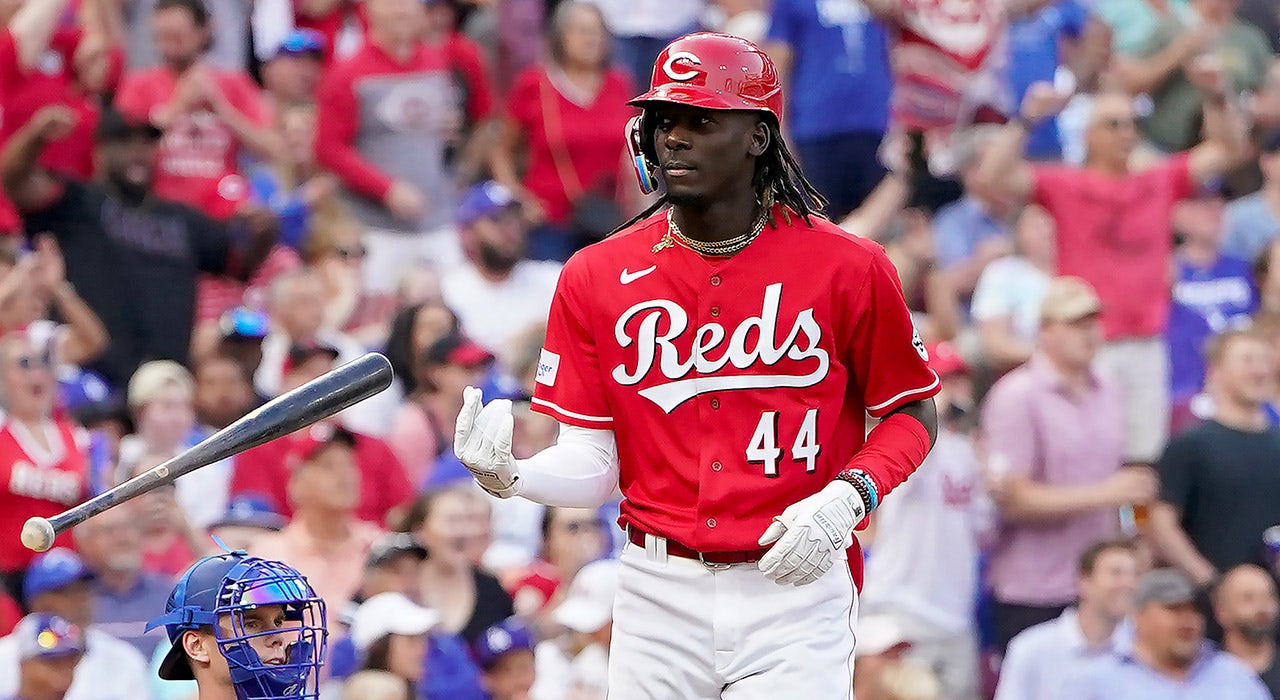
Elly De La Cruz has already established himself as one of the most electrifying players in baseball, but 2026 represents the season where he can take full ownership of the franchise. His physical tools remain unmatched — elite speed, rare raw power, and a cannon arm that changes defensive alignments. What has steadily improved is his feel for the game.
As De La Cruz gains experience, his decision-making at the plate has become more refined. Pitchers can no longer rely on him chasing spin or expanding the zone without consequence. When he is locked in, he dictates the tempo of the game, forcing defenses into mistakes and altering pitching plans before the first pitch is even thrown.
Defensively, De La Cruz continues to grow into his role as the Reds’ everyday shortstop. His range alone saves runs, but it’s the confidence and leadership he now displays that separates him from other young stars. If his offensive approach continues trending upward, De La Cruz has legitimate MVP potential and the ability to anchor this lineup for the next decade.
Matt McLain, Spencer Steer, and a Dynamic Infield
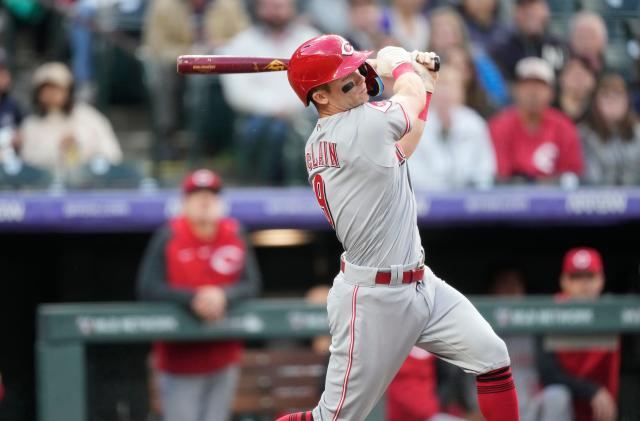
While De La Cruz provides the flash, Matt McLain delivers stability. His offensive profile — built on plate discipline, line-drive contact, and sneaky power — balances the volatility that can come with a young roster. McLain’s defensive versatility allows Cincinnati to mix and match alignments while maintaining consistency up the middle.
Spencer Steer has quietly become one of the most valuable pieces on the roster. His ability to play multiple positions while maintaining offensive production gives manager David Bell tactical flexibility on a nightly basis. Steer may not command headlines, but his presence helps prevent prolonged slumps from derailing the lineup.

Together, this infield core forms the backbone of Cincinnati’s everyday competitiveness. As they continue to develop chemistry, the Reds are building a group that can impact the game in multiple ways — on the bases, in the field, and at the plate.
Lineup Construction and Offensive Identity

Cincinnati’s offense is not designed to overwhelm opponents with sheer power. Instead, it thrives on constant pressure. The Reds want traffic on the bases, aggressive baserunning, and situational hitting that forces defenses to execute perfectly.
Players like Will Benson add a power element to the outfield, while complementary bats throughout the lineup ensure that opposing pitchers rarely get a clean inning. When the Reds are at their best, they grind down pitching staffs, inflate pitch counts, and capitalize on small mistakes.
The key for 2026 will be consistency from the bottom third of the order. If those hitters can provide even league-average production, Cincinnati’s lineup becomes far deeper and far more dangerous over the course of a 162-game season.
Hunter Greene and the Search for Rotation Reliability

The biggest variable in the Reds’ 2026 outlook remains the starting rotation. Hunter Greene is the clear headliner — a pitcher with frontline stuff who can dominate when everything is synced. His fastball velocity alone makes him a challenge, but improved command and pitch sequencing have elevated his ceiling.
The question is what comes after Greene. Cincinnati has invested heavily in pitching development, but injuries and inconsistency have slowed progress. The rotation does not lack talent; it lacks dependability. For the Reds to take a meaningful step forward, multiple starters must prove capable of turning over lineups consistently and pitching deep into games.
If two or three arms emerge as reliable contributors, the entire complexion of the season changes. Without that growth, Cincinnati risks placing too much strain on an already volatile bullpen.
Bullpen Development and Late-Game Execution
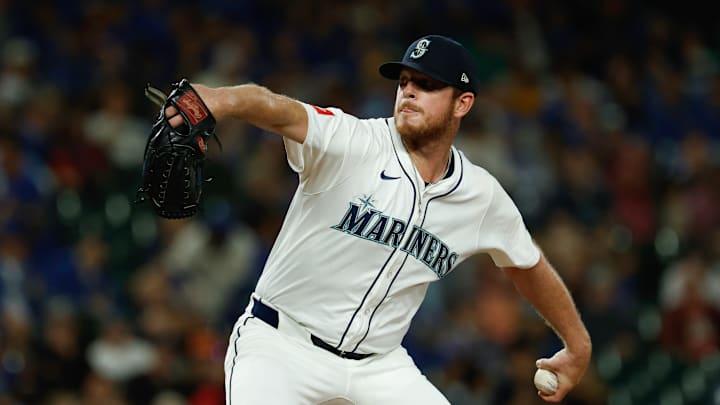
The Reds’ bullpen reflects the broader state of the roster: high upside with uneven results. On some nights, it is capable of locking down games with aggressive matchups and swing-and-miss stuff. On others, command lapses and poor sequencing have turned manageable leads into costly losses.
Cincinnati’s approach relies heavily on internal development rather than high-priced relief acquisitions. That strategy can succeed, but it demands precision. Improved strike throwing, smarter matchup usage, and cleaner defensive execution behind the bullpen will be critical in 2026.
For a team hoping to contend, late-game performance is non-negotiable. The Reds will need to prove they can consistently close out tight games against division rivals.
The NL Central Landscape and Competitive Reality
The National League Central remains one of baseball’s most unpredictable divisions. While no single team dominates, several clubs have positioned themselves as legitimate contenders. That reality places additional pressure on the Reds to capitalize on their window while their core is young and cost-controlled.
Cincinnati’s advantage lies in athleticism and depth. Their challenge lies in execution and experience. Winning consistently in the NL Central requires handling close games, avoiding prolonged slumps, and capitalizing on divisional matchups — areas where young teams often struggle.
The Reds must show they can translate potential into results.
Final Outlook: 2026 as a Defining Year
The Cincinnati Reds are no longer waiting for the future — they are living in it. The talent is present, the energy is real, and the expectations are rising. The 2026 season will serve as a measuring stick for how close this group truly is to sustained contention.
A successful year would mean meaningful September baseball and a team capable of competing with anyone in the division. A step backward would force hard questions about pitching development and roster construction.
Either way, one thing is clear: the Reds are closer to breaking through than they have been in years. What happens next will define the next chapter of Cincinnati baseball.
