


Every October, Major League Baseball crowns a champion through a postseason designed to reward depth, patience, and survival. The current playoff format is a marathon disguised as a sprint — long series, expanded rosters, and layered pitching plans that emphasize organizational depth as much as star power.
But what if MLB flipped that script?
What if, instead of the traditional playoff structure, Major League Baseball adopted a World Baseball Classic–style tournament format exclusively for the postseason?
The result would be a radically different October — faster, louder, more intense — one that prioritizes elite talent, aggressive strategy, and immediate results over roster depth and long-term planning. It would be baseball turned into a pressure cooker.
This is a deep dive into what that postseason might look like — and what it would mean for the sport.
A Postseason Built for Urgency, Not Endurance

The World Baseball Classic thrives on urgency. Every pitch feels consequential. Every decision carries weight. There’s no room for easing into a series or waiting for matchups to develop over time.
Transplanting that philosophy into the MLB postseason would fundamentally change October baseball.
Instead of pacing themselves across long series, teams would be forced into immediate optimization. Managers couldn’t afford a “throwaway” game or a passive bullpen night. The postseason would become a sprint — not just for players, but for decision-makers.
Smaller Rosters, Bigger Roles

One of the most dramatic shifts would be roster construction.
Under a WBC-style playoff model, teams would likely operate with smaller, condensed active rosters, relying heavily on their absolute best players rather than full organizational depth.
What That Means:
- Star players would play every inning, not just most of the game.
- Bench roles would shrink dramatically.
- Defensive replacements, platoon bats, and situational specialists would largely disappear.
- Managers would be forced to trust their core — and live with the consequences.
This format would expose the difference between teams built around stars and teams built around balance. A club with two elite hitters and a true ace would suddenly feel far more dangerous than one built on interchangeable depth.
October would belong to the stars.
Pitching Becomes a High-Wire Act

Nowhere would the change be felt more than on the mound.
With fewer pitchers available, every pitching decision would be magnified. Starters wouldn’t be treated as five-and-fly arms. A true ace could realistically appear multiple times in a short series — either starting on short rest or making bullpen appearances in must-win games.
The New Pitching Reality:

- Closers could be asked to pitch multiple innings.
- High-leverage relievers might appear in back-to-back games — or even twice in one game.
- Bullpen management would become less about matchups and more about survival.
This mirrors the WBC, where pitchers aren’t hidden behind layers of rest and reinforcements. Every arm matters, and once it’s spent, it’s gone.
The tension would be constant — and visible.
Condensed Series, Maximum Consequences

Perhaps the most transformative change would be the structure of the series themselves.
Instead of best-of-seven showdowns, a WBC-style postseason would lean toward best-of-five or even best-of-three series, especially in early rounds.
Why It Changes Everything:
- Every game becomes an elimination threat.
- There’s no time to “figure out” an opponent.
- One bad inning could end a season.
- Momentum would swing violently from game to game.
In this environment, the randomness of baseball becomes a feature, not a flaw. The best team might not always win — but the most prepared, aggressive, and adaptable team would.
It would reward boldness.
Pace of Play Takes Center Stage

The World Baseball Classic has shown that faster baseball doesn’t mean lesser baseball. In fact, it often heightens drama.
A WBC-style postseason would fully embrace pitch clock urgency and streamlined gameplay, eliminating the drawn-out feel that sometimes plagues October.
The Impact:
- Faster innings keep fans engaged.
- Less downtime between pitches increases tension.
- Pitchers must work decisively under pressure.
- Hitters can’t slow the game to reset momentum.
Postseason baseball would feel more like a live event than a prolonged chess match — intense, reactive, and emotionally charged.
Less Depth, More Individual Brilliance

Another tradeoff would be the reduction of strategic depth.
The current playoff system rewards:
- Platoon advantages
- Deep bullpens
- Matchup-based lineups
- Long-term planning
A WBC-style postseason would reduce that complexity. Strategy wouldn’t disappear, but it would shift.
Instead of playing probabilities, managers would play instincts.
Instead of saving arms for tomorrow, they’d empty the tank today.
Individual brilliance would matter more than organizational structure.
How It Compares to Today’s MLB Playoffs
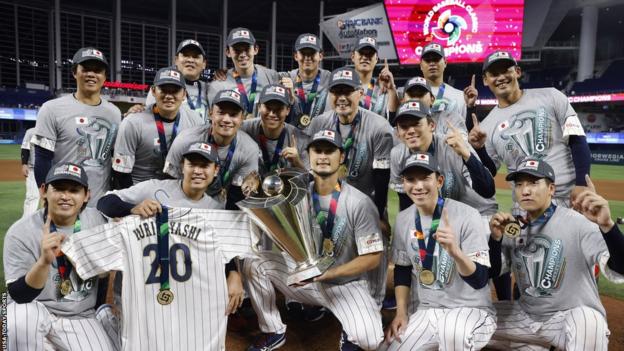
Current MLB Postseason:
- 26-man active rosters
- Deep pitching usage
- Longer series
- Greater emphasis on rest and rotation
- Depth often outweighs star power
WBC-Style Playoffs:
- Smaller, elite rosters
- Heavy reliance on stars
- Short, decisive series
- Minimal rest
- Immediate, high-risk decisions
One format rewards endurance.
The other rewards nerve.
The Final Verdict: A Supercharged October
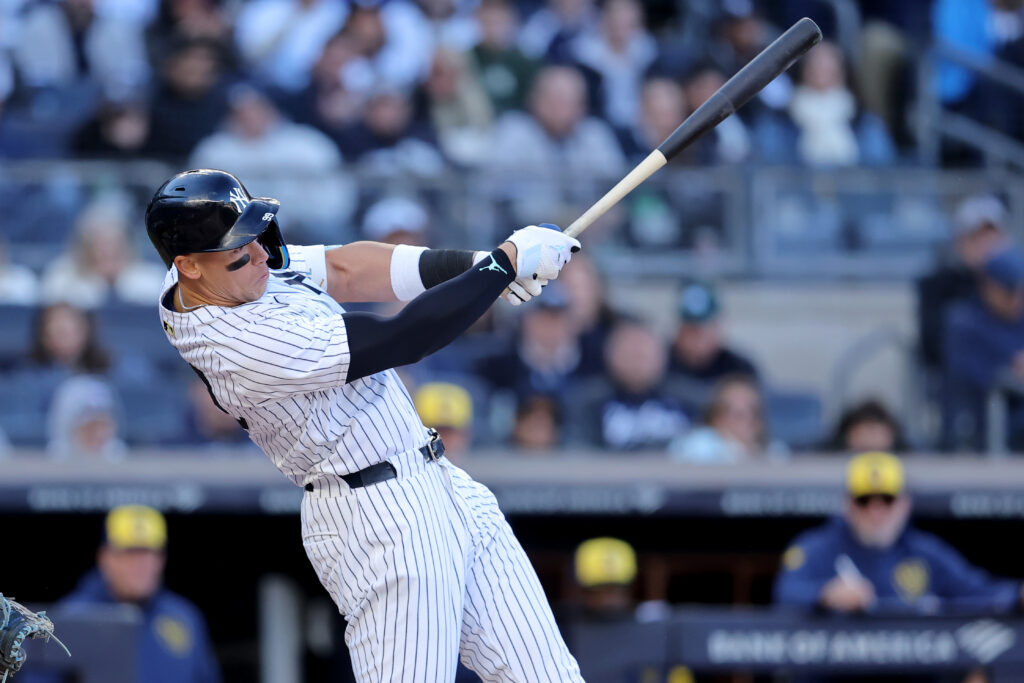
If MLB adopted World Baseball Classic tournament rules for the playoffs, October baseball would transform into something closer to a global sporting event — raw, volatile, and unforgettable.
It would:
- Amplify star power
- Increase urgency
- Shorten the margin for error
- Deliver unmatched drama
But it would also:
- Stress players
- Reduce depth-based strategy
- Introduce more randomness into championship outcomes
It wouldn’t replace the marathon of a 162-game season — it would redefine how that season ends.
The result wouldn’t just be a different postseason.
It would be a different philosophy of championship baseball — one where legends are made faster, risks are unavoidable, and October becomes the most intense month the sport has ever known.
And whether fans would love it or fear it…
They certainly wouldn’t look away.
