

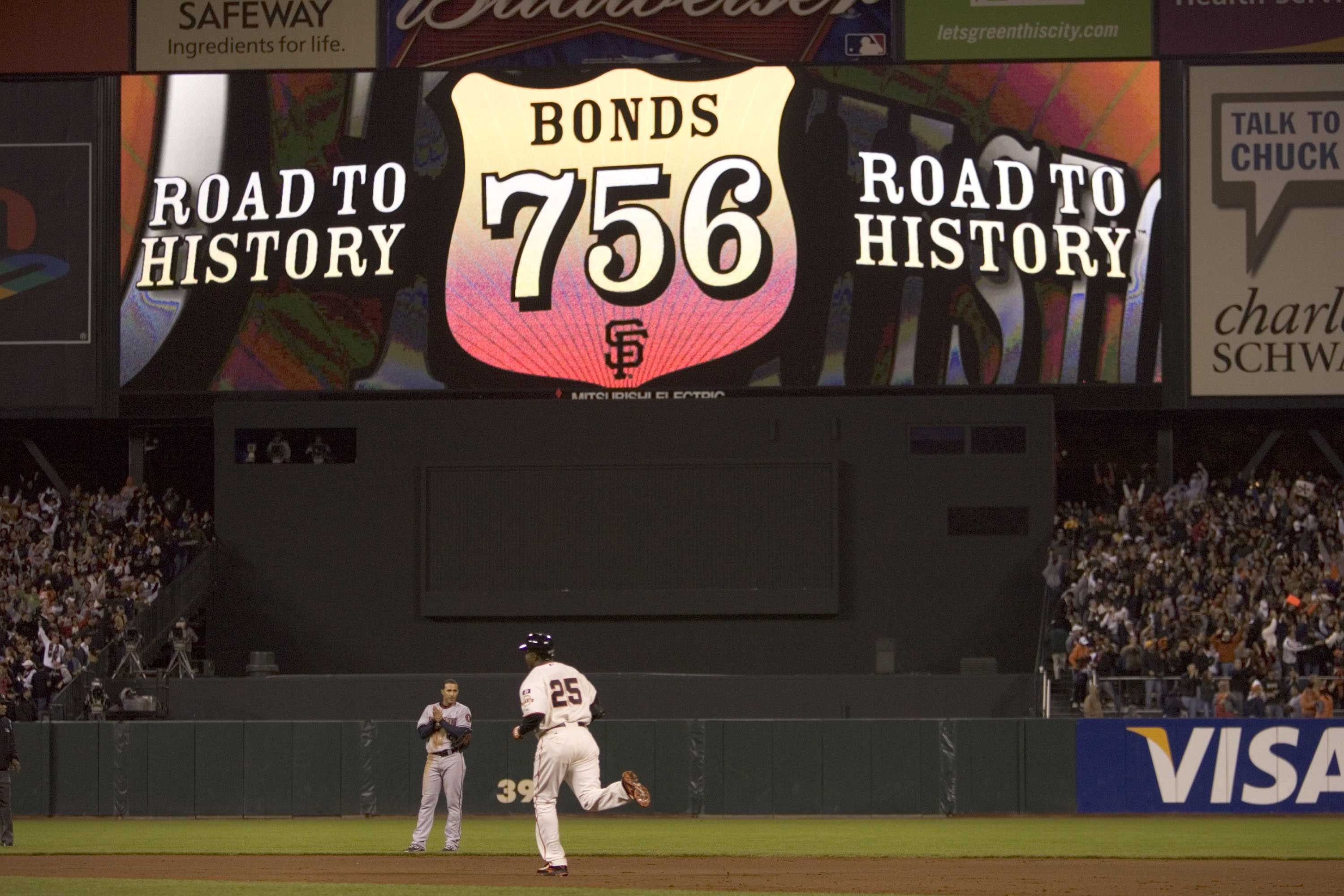
Major League Baseball’s Steroid Era is one of the most complex and transformative chapters in the sport’s history. Defined roughly from the late 1980s through the late 2000s, this period was marked by unprecedented offensive numbers, record‑breaking power, dramatic policy shifts, and contentious debates about performance‑enhancing drugs (PEDs). Unlike other defined baseball eras (Deadball, Expansion, etc.), there is no exact start or end date — instead, the era is recognized by a cultural and statistical shift in the game.
In this article, we’ll explore:
- How the offensive explosion became the hallmark of baseball’s Steroid Era
- The federal and league responses that reshaped MLB policy
- Deep dives into the careers and statistics of key players — all drawn from MLB.com and BaseballReference.com, trusted repositories of raw baseball data
Welcome to the Steroid Era
The Steroid Era describes a period in MLB when offensive production — especially home runs — surged dramatically. While steroids and other PEDs were explicitly banned by MLB as early as 1991, formal, robust, and enforceable testing did not begin until 2003. Before league‑wide testing, players faced minimal risk of punishment for PED use, creating an environment where performance enhancers could flourish.
The era saw not just more home runs, but more power across age groups, longer careers, and historically high offensive rates — trends that would eventually trigger scrutiny, congressional hearings, federal investigations, and policy overhauls.
The Home Run Explosion: Numbers Tell the Story
One of the clearest ways to define the Steroid Era is by looking at offense.
BaseballReference.com shows that the greatest single‑season home run performances in MLB history came during this era, such as:
- Barry Bonds: 73 home runs (2001) — MLB single‑season record at the time of his retirement
- Mark McGwire: 70 home runs (1998)
- Sammy Sosa: 66 home runs (1998)
These feats stood out not only for their raw numbers but for how far past previous benchmarks they were. For context, between 1961 and 1994, only three players reached 50 home runs in a season — yet the late ’90s saw multiple players hit 60+.
Many offensive rate stats soared as well, and players were doing this consistently into their mid‑ to late 30s, a rare occurrence before this era.

Barry Bonds — All‑Time Home Run King

Career highlights
- 762 home runs — MLB career leader (MLB.com)
- .298 batting average (MLB.com)
- 1,996 RBIs (BaseballReference.com)
- 514 stolen bases (BaseballReference.com)
- 1.051 OPS (MLB.com)
Bonds holds the all‑time home run record and several single‑season marks (e.g., walks, intentional walks, on‑base percentage). His production — particularly from 1993 onward — surpasses nearly all other hitters in history in terms of rate and longevity. Barry Bonds, one of baseball’s most iconic and controversial figures, is often remembered as much for his prodigious home run totals as for the cloud of suspicion surrounding performance-enhancing drugs.
During his career, Bonds shattered records, including Hank Aaron’s all-time home run mark, cementing his legacy as arguably the most feared hitter of his era. However, allegations of steroid use began to surface in the early 2000s, particularly during the infamous BALCO scandal, where Bonds’ association with the Bay Area Laboratory Co-Operative raised serious questions about the legitimacy of his remarkable statistics. While Bonds consistently denied knowingly using steroids, numerous testimonies and leaked evidence suggested otherwise, leaving his achievements under intense scrutiny.
The impact of these allegations on Bonds’ career is complex. On one hand, his talent and discipline were undeniable—his plate discipline, baseball IQ, and natural power contributed significantly to his success. On the other hand, steroid use casts a shadow over these accomplishments, raising debates about fairness, integrity, and how history should remember him. Critics argue that his use of performance-enhancing drugs taints his statistical milestones, while supporters contend that Bonds’ dominance over decades, including seasons before steroid suspicions arose, demonstrates he was more than just a product of chemistry.
Bonds’ steroid controversy also reshaped the way Major League Baseball approached PEDs. The league implemented stricter testing and harsher penalties in the years following the BALCO revelations, fundamentally changing how players were monitored and how fans viewed records. For collectors, historians, and fans, Bonds embodies the duality of baseball’s steroid era: extraordinary talent shadowed by moral ambiguity. His legacy remains a cautionary tale of how the pursuit of greatness can intersect with the pressures of performance-enhancing drugs, leaving an indelible mark on the sport and its history.
Mark McGwire — Power’s Most Famous Figure

Career highlights
- 583 home runs (BaseballReference.com)
- 1,626 hits (BaseballReference.com)
- 1,414 RBIs (BaseballReference.com)
- .263 batting average (BaseballReference.com)
- .982 career OPS (BaseballReference.com)
McGwire became a household name in 1998 by hitting 70 home runs — the most since Hank Aaron’s prime — and helped reignite national interest in baseball following the 1994 strike. McGwire later acknowledged the use of steroids and steroid precursors that were not being tested at the time. Mark McGwire’s career is a story of prodigious power, baseball glory, and enduring controversy.
Known as “Big Mac,” McGwire electrified fans in the late 1980s and 1990s with his record-breaking home runs, most notably his pursuit of Roger Maris’ single-season home run record in 1998. His towering swing and unmatched power made him one of the most feared sluggers of his era. However, like many stars of the steroid era, McGwire’s achievements have been clouded by allegations of performance-enhancing drug use. His later admission to using steroids during parts of his career cast a long shadow over what had seemed like purely natural dominance at the plate.
The controversy surrounding McGwire raises questions about the legitimacy of his historic feats. While his 70-home run 1998 season remains one of the most thrilling moments in baseball history, fans and historians debate how much of that success was aided by PEDs. Critics argue that steroid use undermines the integrity of his numbers and unfairly disadvantaged other players, while supporters point out McGwire’s talent, work ethic, and ability to perform in pressure-packed moments. The duality of his legacy—immense talent paired with admitted PED use—mirrors the broader steroid era, complicating how McGwire is remembered in the annals of the sport.
McGwire’s steroid admissions also played a role in reshaping Major League Baseball’s policies and public perception. His era prompted the league to introduce rigorous drug testing and stricter penalties, aiming to restore credibility to player achievements and statistical records. For collectors, historians, and fans, McGwire embodies the highs and lows of the late 20th-century power surge in baseball: the awe of historic home runs intertwined with the moral complexities of performance-enhancing drugs. His story remains a defining chapter in the sport, illustrating both the excitement and controversy of baseball’s steroid era.
Sammy Sosa — The Other Side of the Duel
Career highlights
- 609 home runs (MLB.com)
- 2,408 hits, 1,667 RBIs (BaseballReference.com)
- .273 batting average (BaseballReference.com)
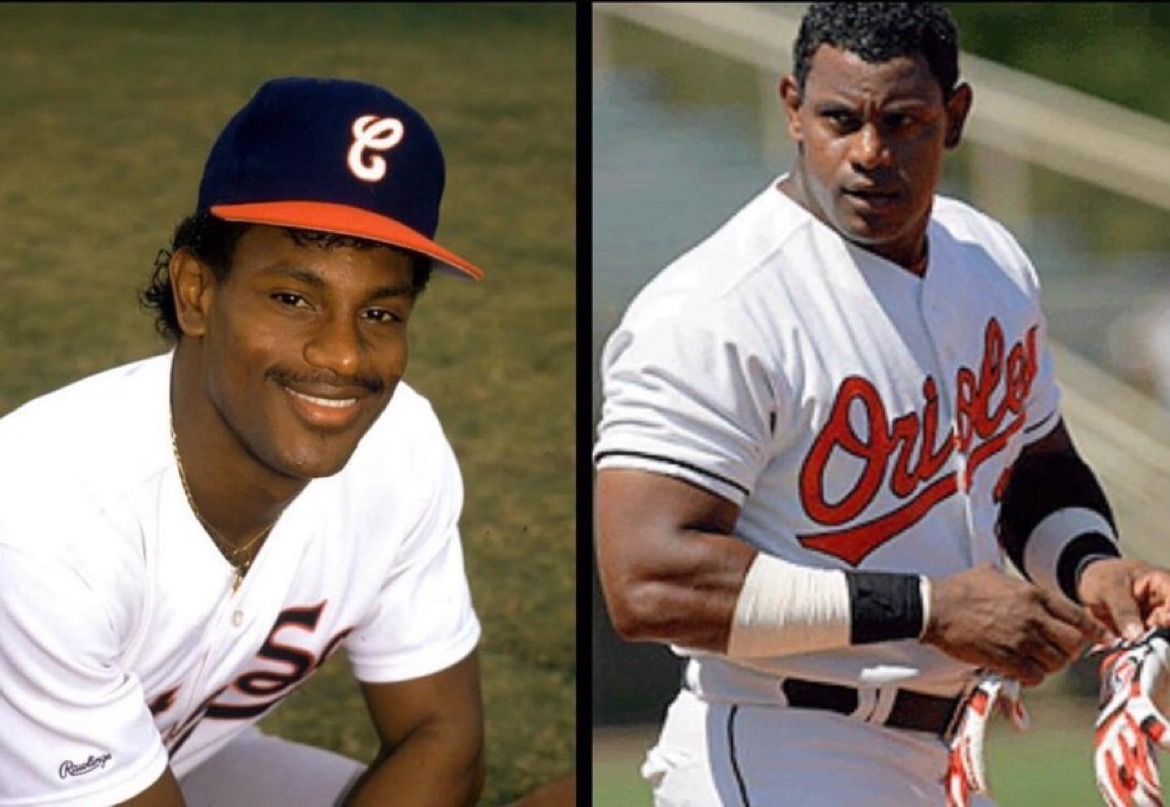
Sosa posted three seasons with 60 or more home runs — a feat no other player in history has matched — and remains ninth all‑time in career homers. Despite never publicly admitting steroid use, his offensive output during his peak years is inseparable from the era’s context. Sammy Sosa’s career is a compelling mix of electrifying power, cultural impact, and the shadow of steroid-era controversy.
As one of the premier sluggers of the 1990s and early 2000s, Sosa captured the hearts of baseball fans with his prodigious home runs and colorful personality, culminating in his thrilling home run chase with Mark McGwire in 1998. That season, Sosa hit 66 home runs, keeping fans on the edge of their seats and reinvigorating interest in baseball after the 1994 strike. Despite his on-field heroics and status as a cultural icon, allegations of performance-enhancing drug use have since clouded his legacy, leaving many to question the authenticity of his power numbers.
The controversy surrounding Sosa is complicated by mixed evidence and his own evasive statements. While never formally suspended during his playing career, reports linking him to steroids and human growth hormone emerged through investigations and leaked sources in the years after his peak. Critics argue that his use of PEDs diminishes his accomplishments and tarnishes the historic home run chase of 1998, while supporters note his natural athleticism, speed, and ability to perform in clutch situations as proof that his talent was genuine. This duality reflects the broader steroid era: extraordinary individual feats shadowed by questions about fairness and integrity.
Sosa’s legacy also influenced how Major League Baseball addressed PEDs, contributing to stricter testing protocols and a heightened focus on player accountability. For collectors, historians, and fans, Sosa represents both the excitement and the moral ambiguity of baseball’s steroid era—a player whose spectacular talent brought joy to millions yet whose achievements remain debated. His story serves as a reminder of the complexities of evaluating greatness during a time when the pursuit of power often intersected with the pressures and temptations of performance-enhancing drugs.
Alex Rodriguez — Power Plus All‑Around Production

Career highlights
- 696 career home runs (MLB.com and BaseballReference.com)
- 2,086 RBIs (BaseballReference.com)
- .295 batting average (BaseballReference.com)
- 329 stolen bases (BaseballReference.com)
Rodriguez combines elite power with speed, a rare blend that propelled him near the top of several all‑time offensive lists. He publicly admitted to using steroids from 2001–2003, during some of his most prolific seasons. Alex Rodriguez’s career is one of baseball’s most remarkable yet polarizing stories, defined by exceptional talent, staggering statistics, and the controversies of the steroid era. Known for his rare combination of power, speed, and defensive prowess at shortstop and third base, Rodriguez consistently ranked among the game’s elite hitters throughout the late 1990s and 2000s.
Over his career, he accumulated over 3,000 hits, 650 home runs, and multiple MVP awards, solidifying his place among the sport’s all-time greats. Yet, like several of his contemporaries, A-Rod’s legacy became entangled with allegations of performance-enhancing drug use, culminating in a 2009 suspension for using banned substances, which cast a long shadow over his otherwise extraordinary career.
The steroid controversy complicates the evaluation of Rodriguez’s accomplishments. Critics argue that his PED use undermines the integrity of his statistics and gives pause when comparing him to other baseball legends. Supporters, however, highlight that his talent, work ethic, and versatility on both offense and defense were exceptional even before confirmed PED use, suggesting that his skill set was never solely dependent on performance enhancers. This tension mirrors the broader steroid era: fans are left balancing admiration for historic achievements with discomfort over how they were attained.
Rodriguez’s situation also played a pivotal role in shaping MLB’s approach to performance-enhancing drugs. His suspension and the public fallout emphasized the need for more rigorous testing, greater transparency, and accountability for players at the highest level. For collectors, historians, and fans, Alex Rodriguez embodies the duality of modern baseball stardom: a player of rare talent whose career is inseparable from the debates over PEDs, ethical boundaries, and the pressures of achieving greatness in a high-stakes, performance-driven sport.
Rafael Palmeiro — Milestones Amid Controversy
Career highlights
- 569 career home runs (MLB.com)
- 3,020 hits (BaseballReference.com)
- 1,835 RBIs (BaseballReference.com)
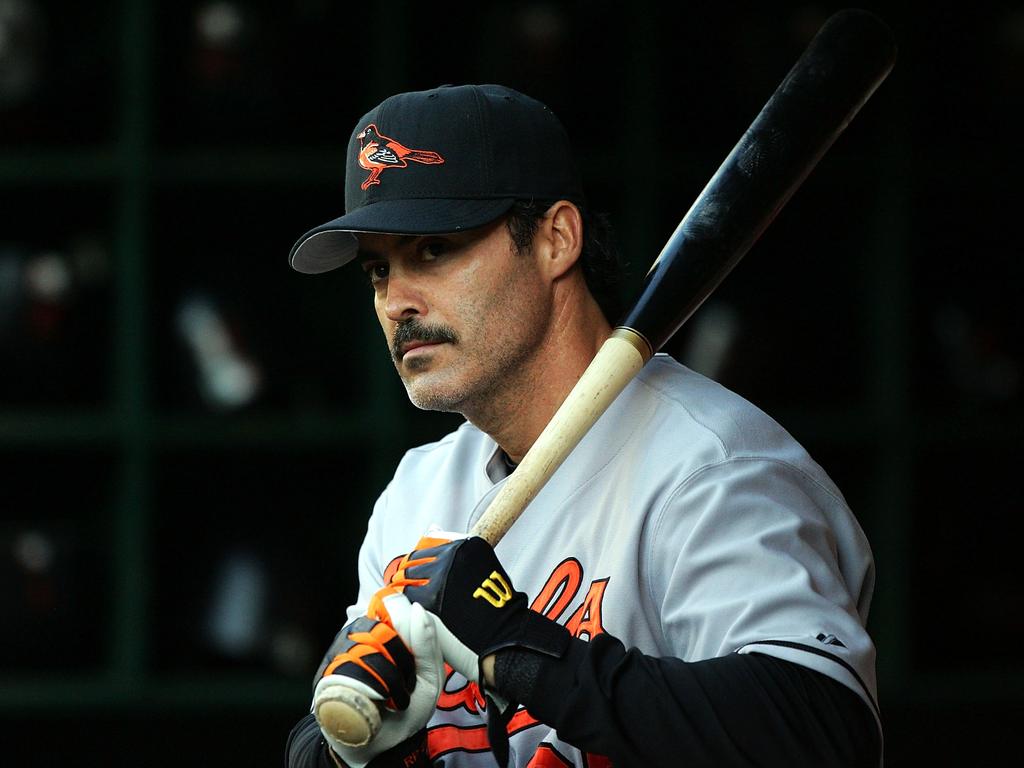
Palmeiro is one of the few players to join the 3,000‑hit and 500‑home run clubs. Despite this rare combination of career achievements, he failed a drug test in 2005 after famously denying steroid use before Congress — a moment that deeply impacted his legacy. Rafael Palmeiro’s career is a complex mix of remarkable longevity, offensive production, and one of baseball’s most notorious PED controversies.
Over a 20-year Major League career, Palmeiro amassed over 3,000 hits and 500 home runs, joining a rare club of players who achieved both milestones. Known for his disciplined approach at the plate and consistent run production, he was a fixture in the lineups of the Texas Rangers and Baltimore Orioles, earning multiple All-Star selections and a Gold Glove. Yet, despite his long-standing reputation as a fundamentally sound hitter, Palmeiro’s legacy was forever tarnished when he tested positive for steroids in 2005, shortly after famously denying ever using performance-enhancing drugs before Congress.
The fallout from Palmeiro’s positive test overshadowed his achievements and sparked heated debate over accountability and credibility in baseball. Critics argue that his PED use invalidates his milestones, especially given the public denial just months earlier, while some supporters note that his consistent production over two decades suggests he was an elite hitter even before confirmed steroid use. Regardless, his case became emblematic of the steroid era’s ethical dilemmas, illustrating how even the most seemingly principled players could be implicated in performance-enhancing practices.
Palmeiro’s scandal also influenced Major League Baseball’s efforts to tighten drug policies and enforce suspensions more strictly. For historians, collectors, and fans, Palmeiro represents both the pinnacle of offensive consistency and the pitfalls of the steroid era—a career that combines undeniable talent with a cautionary tale about deception and accountability. His story remains a stark reminder of how quickly a sterling reputation can be undermined in an era when PED use became widespread, affecting not just personal legacy but the integrity of the sport itself.
Manny Ramirez — Pure Hitter with Deep Stats

Outstanding power and on‑base skills made Ramirez one of the era’s most feared hitters when at peak performance. Manny Ramirez’s career is remembered as a dazzling display of offensive dominance, yet it is equally marked by controversy surrounding performance-enhancing drugs. Renowned for his powerful left-handed swing, exceptional bat speed, and ability to hit in clutch situations, Ramirez compiled 555 career home runs (MLB.com) 1,831 RBIs (BaseballReference.com) and a career .312 batting average, earning 12 All-Star selections and 2 World Series titles. His ability to change the course of a game with a single swing made him one of baseball’s most feared hitters during the late 1990s and 2000s.
However, like many of his contemporaries, Ramirez’s achievements were clouded by steroid allegations, culminating in multiple suspensions later in his career that permanently affected his reputation. The steroid controversy complicates the way fans and historians evaluate Ramirez’s career. Critics contend that his use of performance-enhancing drugs casts doubt on his prodigious power and statistical milestones, especially given the frequency of PEDs among sluggers of his era. Yet supporters highlight his natural hitting talent, plate discipline, and unique ability to excel in high-pressure postseason moments as evidence that his impact on the game extended beyond chemical enhancement.
This tension reflects the broader steroid era: Ramirez’s on-field brilliance cannot be fully separated from the ethical questions surrounding PED use. Ramirez’s situation also contributed to Major League Baseball’s increased focus on testing and player accountability. For collectors, fans, and historians, Manny Ramirez represents both the excitement and the moral ambiguity of baseball’s steroid era—a player whose extraordinary talent brought joy and awe to millions, yet whose legacy is permanently intertwined with the controversies that defined his generation. His story stands as a testament to the complicated balance between athletic greatness and the pressures that sometimes lead players to seek an edge off the field.
Roger Clemens: Baseball’s Greatest Pitcher or Steroid Era Icon?

Roger Clemens’ career is one of baseball’s most dominant pitching legacies, yet it is inseparably linked to the controversies of the steroid era. Known as “The Rocket,” Clemens compiled seven Cy Young Awards, 4,672 strikeouts, and 354 career wins, making him one of the most accomplished pitchers in MLB history. His overpowering fastball, devastating breaking pitches, and competitive intensity allowed him to dominate hitters across two decades, earning him a reputation as arguably the greatest pitcher of his generation.
However, allegations of performance-enhancing drug use, most notably through the BALCO scandal and testimony before Congress, cast a shadow over his otherwise stellar career, leaving fans and historians debating the legitimacy of some of his later achievements.
The controversy surrounding Clemens complicates the assessment of his career achievements. Critics argue that PED use, if true, taints his statistics and undermines his reputation as the game’s most feared pitcher, while supporters point to his longevity, skill, and dominance prior to any alleged steroid use as evidence of his natural talent. The duality of Clemens’ legacy mirrors that of many stars of his era: extraordinary ability coupled with questions of integrity. Even without PEDs, his natural talent, preparation, and pitching intelligence made him a Hall of Fame-caliber player, but the allegations ensure that debates about his legacy remain unresolved.
Clemens’ situation also played a key role in reshaping MLB’s approach to performance-enhancing drugs. His public denials, high-profile legal battles, and involvement in testing controversies highlighted the challenges of enforcing accountability at the highest level of the sport. For collectors, historians, and fans, Roger Clemens represents both the pinnacle of pitching greatness and the ethical complexities of the steroid era—a player whose talent is undeniable but whose reputation is forever intertwined with the debates over PED use and integrity in baseball.
Why Offensive Output Soared
There were multiple forces behind the offensive surge:
- Delayed enforced testing: MLB banned steroids in 1991, but testing and penalties did not start until 2004. This left over a decade where players could use PEDs with minimal risk.
- Survey testing in 2003: The first anonymous tests showed 5–7% positive results, which triggered mandatory testing in 2004.
- Federal and media exposure: The BALCO investigation and ensuing media coverage revealed how widespread sophisticated PED use had become among elite athletes. While direct public sources about BALCO are not from MLB.com or ESPN.com, the investigation was a major driver in pushing policy reforms.
The MLB Response: From Testing to Penalties
As the controversy escalated, MLB progressively tightened drug policy:
2003–2004: Survey testing led to mandatory random testing in 2004 with sanctions tied to positive results.
2005: Penalties increased — a first positive test triggered a 10‑game suspension and public disclosure, with steeper consequences for repeat offenses.
Late 2000s: Penalties grew more severe (e.g., 50‑game, 100‑game, and even lifetime bans), and testing expanded to cover more substances like HGH, although detection challenges persisted.
Congress and the Mitchell Report

In 2006, MLB commissioned former U.S. Senator George J. Mitchell to investigate the extent of steroid use. The resultant Mitchell Report concluded that widespread illegal PED use posed “a serious threat to the integrity of the game,” and that baseball’s initial response had been slow and insufficient. The report documented use across every MLB franchise and led to significant changes in testing and education.
Timeline of Key Events Surrounding the Mitchell Report:
Late 1980s–1990s: Early PED Use and League Inaction
Performance-enhancing drug (PED) use began to increase in Major League Baseball during the late 1980s, accelerating throughout the 1990s. During this period, MLB had no comprehensive drug-testing policy, and steroids were not explicitly banned until 1991. Enforcement was minimal, and the league largely avoided confronting the issue despite visible changes in player physiques and offensive output.
1998: The Home Run Chase
The historic home run race between Mark McGwire and Sammy Sosa brought unprecedented attention and popularity to MLB after the 1994 strike. However, McGwire’s admission to using androstenedione (a legal but controversial supplement at the time) later raised questions about the league’s willingness to overlook PED use for financial and public-relations gain.
2002–2004: Federal and Media Investigations
Journalistic investigations and federal inquiries, including the BALCO scandal, exposed connections between elite players and illegal drug suppliers. In 2003, MLB implemented its first mandatory drug-testing program, but penalties were relatively weak and testing methods limited.
March 2006: Appointment of George J. Mitchell
Commissioner Bud Selig appointed former U.S. Senator George Mitchell to lead an independent investigation into PED use in MLB. Mitchell was tasked with determining the scope of the problem and recommending reforms.
December 13, 2007: Release of the Mitchell Report
The final report named 89 players alleged to have used PEDs and concluded that steroid and HGH use was widespread and systemic. It criticized players, team officials, and the MLB Players Association for failing to act sooner.
2008–Present: Policy Reforms and Long-Term Impact
Following the report, MLB significantly strengthened its drug-testing policies, introduced more frequent random testing, expanded banned substances, and later added HGH testing. These reforms reshaped how MLB approaches integrity and player accountability.
Hall of Fame and Legacy Debates
A lasting outcome of the Steroids Era is how history judges its participants. Despite incredible statistics:
- Barry Bonds
- Alex Rodriguez
- Mark McGwire
- Sammy Sosa
- Rafael Palmeiro
- Roger Clemens
- Manny Ramirez
…have all struggled to garner Hall of Fame support — largely because of their associations with PEDs or failed tests. Voters have consistently weighed ethical concerns against statistical achievements, leading to years of ballot exclusions for some of baseball’s most prolific hitters.
Currently, committees like the Contemporary Baseball Era Committee offer second chances through different voting avenues, but debate remains intense.
The Steroid Era’s Enduring Impact
The Steroid Era reshaped baseball statistically, culturally, and institutionally. It delivered some of the most astonishing offensive performances in the sport’s history while also prompting serious reflection on fairness, competition, and how we remember greatness.
Today’s more comprehensive drug‑testing programs and the legacy discussions around Steroid Era players are reminders of how baseball evolves — balancing historic achievements with the context in which they occurred.
Personal Reflection
The steroid era may have been entertaining, with home run chases, record-breaking seasons, and highlight-reel moments that had fans on the edge of their seats, but make no mistake it was really, truly bad for the game. Between ethical breaches, the legal violations, and the blatant disregard for fairness make the actions of these players inexcusable. Because of these inexcusable choices, their statistics cannot fairly be compared to players who competed clean, and the advantage they gained was unmistakenly unfair. While fans may still look back and marvel at the spectacle, the reality is that the steroid era compromised the integrity of baseball, leaving a lasting stain on a sport built on trust, competition, and the principle of earning greatness honestly.

This is great work! I remember how disheartening it was when all this started coming to light.