


As the 2026 season approaches, the Diamondbacks find themselves with a potent core of hitters, intriguing rotation options, and a clear sense of identity: if they fix the things that went wrong, they have the talent to be highly competitive in the National League once more.
Looking Back: Offense vs. Pitching in 2025
Arizona’s offense in 2025 was formidable. The team scored 791 runs with a .251 batting average, .325 OBP, and .433 slugging percentage, showcasing power and production across its lineup. They also hit 214 home runs, good for top‑10 in MLB, and ranked 6th in runs scored overall.
But while their bats kept them competitive, the pitching staff proved to be the team’s biggest challenge. The Diamondbacks finished with a 4.49 team ERA, ranking near the bottom of major league pitching staffs in that category. Run prevention lagged behind a lineup capable of producing consistent offense, and many close games slipped away.
That stark split — explosive offense and shaky pitching — is the core narrative of Arizona’s recent seasons, and the 2026 outlook hinges on balancing those forces.
Offensive Cornerstones: Stars and Breakouts
Corbin Carroll — A Franchise Cornerstone
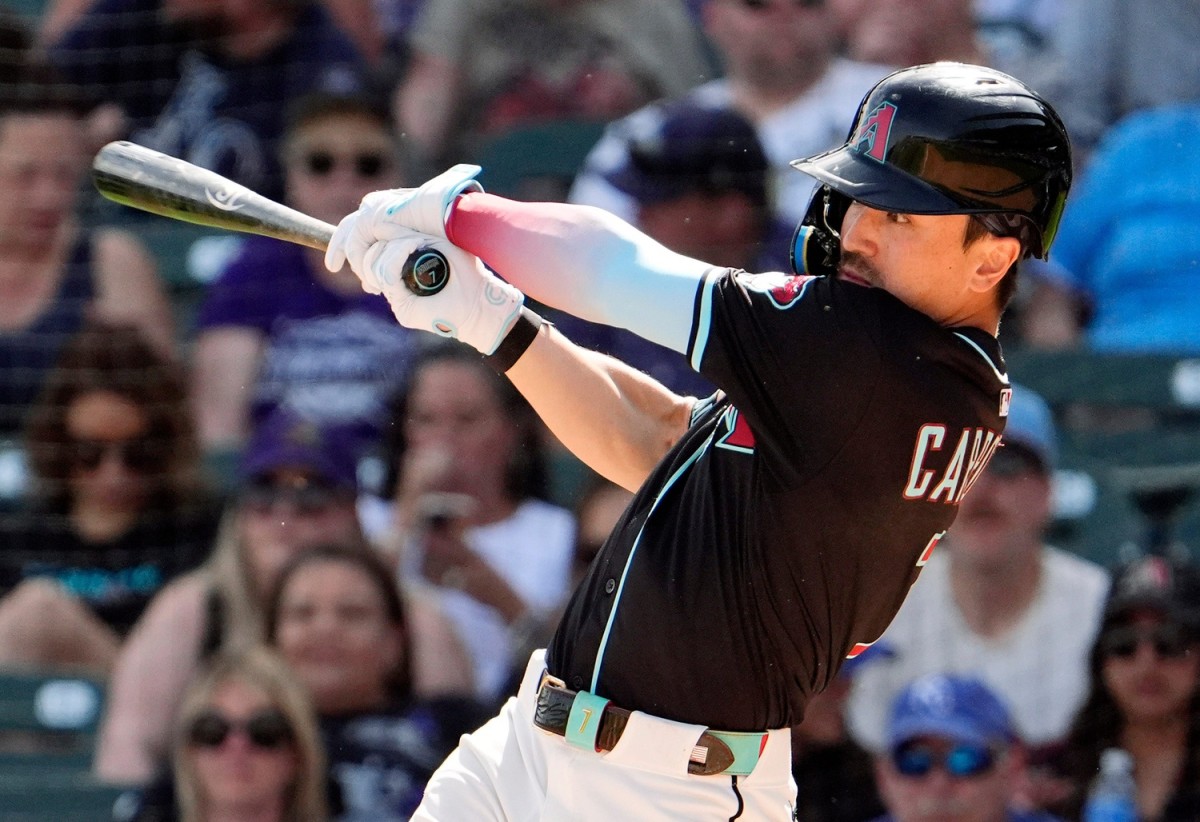
No preview of the Diamondbacks is complete without discussing Corbin Carroll, who continued his rapid ascent in 2025. Carroll combined power, speed, and elite baserunning in a season that saw him post career highs:
- 31 home runs and 146 hits, adding 17 triples — the most in MLB for the third straight year.
- Led the majors in baserunning value with 32 extra bases taken through steals and aggressive base advances.
- Posted elite hard‑hit and exit velocity rates according to advanced metrics, reflecting sustained offensive growth.
Carroll also earned a Silver Slugger Award alongside teammates Ketel Marte and Geraldo Perdomo, and he continued to refine his defense, finishing as a finalist for a Rawlings Gold Glove.
At just 25 years old, Carroll remains one of baseball’s most exciting multi‑tool threats — one who can change games at the plate, on the bases, and in the field.
Ketel Marte — The Steady Middle of the Order
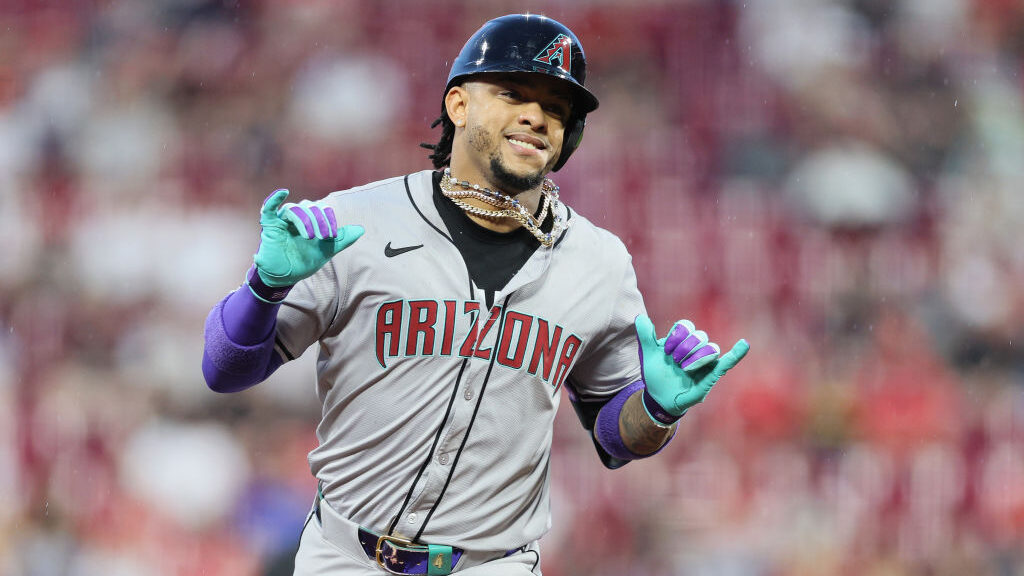
Marte’s 2025 campaign was another example of consistency mixed with power. He hit .283/.376/.517 with 28 home runs and remained one of the Diamondbacks’ most reliable run producers.
Recognizing his value, Arizona rewarded Marte with a six‑year, $116.5 million contract extension, keeping one of its most impactful hitters under control through 2030.
Marte’s blend of contact, patience, and power gives the lineup a stabilizing heartbeat, especially in high‑leverage situations where veteran performance matters most.
Geraldo Perdomo and Supporting Bats

Shortstop Geraldo Perdomo was a revelation in 2025. He posted career‑best offensive numbers with 33 doubles, 20 home runs, 100 RBIs, and a .389 on‑base percentage, emerging as a complete offensive contributor.
Beyond the “big three” of Carroll, Marte, and Perdomo, the Diamondbacks’ supporting cast provided meaningful production:
- Gabriel Moreno rebounded from injury to post an impressive OPS+ and showed improved plate discipline and framing skills behind the plate.
- Players like Tim Tawa and Alek Thomas showed advanced swing metrics that suggest growth in 2026.
This depth gives Arizona flexibility in constructing lineups and maximizing offensive production even when matchups don’t favor their biggest stars.
Pitching: The Achilles Heel and Path Forward

In contrast to the firepower of its lineup, Arizona’s pitching staff was among MLB’s most inconsistent groups in 2025.
According to Baseball‑Reference, starters such as Zac Gallen and Brandon Pfaadt logged significant innings but with mixed results — Gallen posted a 4.83 ERA over 192 innings, while Pfaadt had a 5.25 ERA despite a 13-9 record. Eduardo Rodríguez and others offered innings but lacked sustained dominance. Ryne Nelson was the rotation’s bright spot with a 3.39 ERA and a strong 3.5 WAR mark.
Complicating matters, high‑profile acquisition Corbin Burnes underwent Tommy John surgery and will miss significant time, leaving a hole in the top of the rotation.
Still, all is not lost. The rotation’s returners — including Merrill Kelly, who re‑signed on a multi‑year deal and brings veteran stability — offer hope that with improved depth and command, Arizona can close the gap between offense and run prevention.
Bullpen health and performance will also be crucial. With no confirmed lockdown closer yet signed, Arizona may lean on internal options and young arms to solidify late‑inning roles.
2026 Offseason Moves and Roster Shape
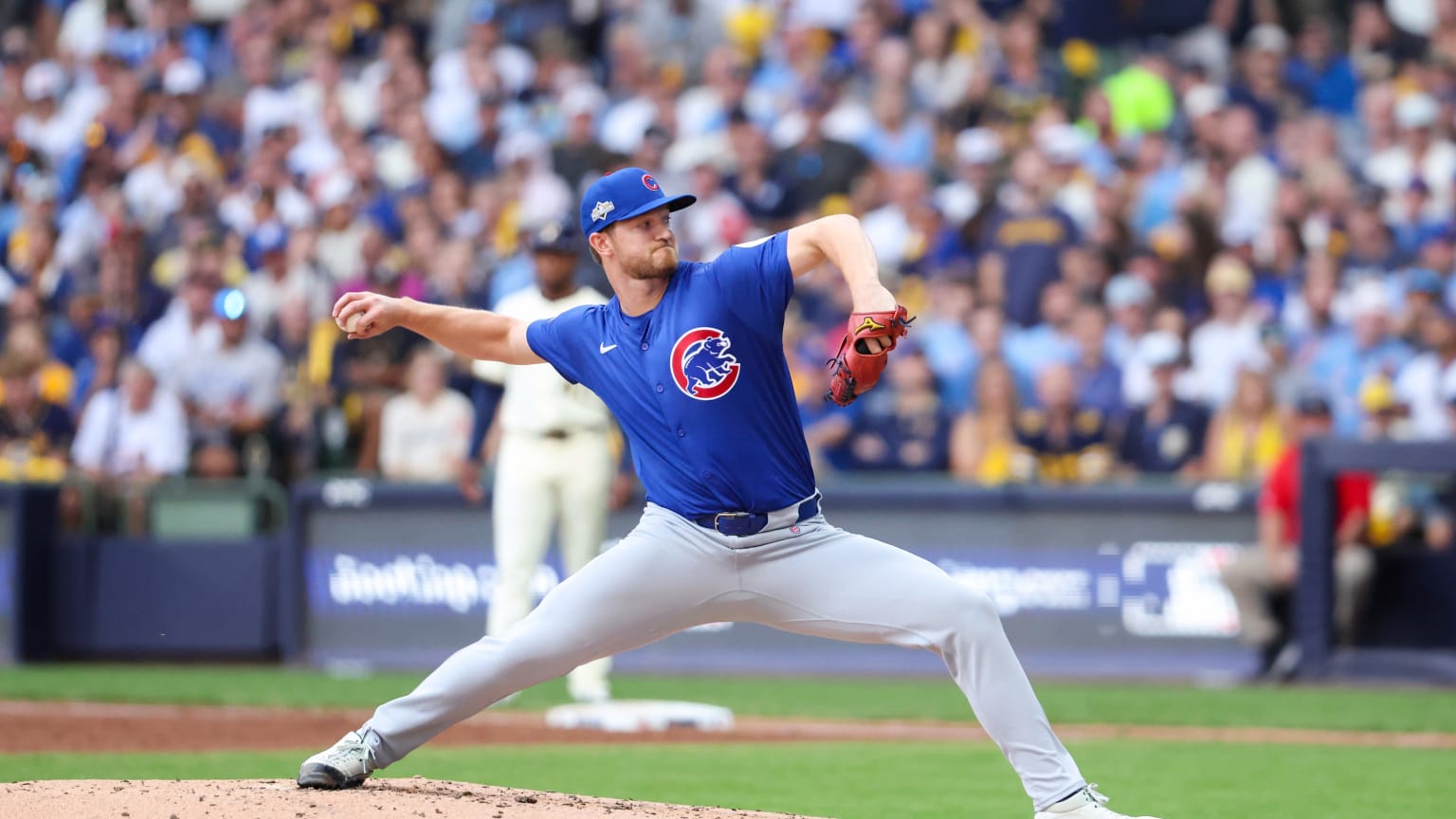
The Diamondbacks’ 2025–26 offseason has been relatively quiet but deliberate. Key re‑signings like Kelly and catcher James McCann provide continuity, and the addition of starter Mike Soroka (expected to compete for a rotation spot) reflects the front office’s focus on balancing youth with proven pieces.
Manager Torey Lovullo returns with his usual emphasis on accountability and situational execution, a voice of steadiness in a division where small margins matter.
While the bullpen remains an open question mark, internal arms like Justin Martinez and A.J. Puk loom as potential late‑inning contributors once healthy.
Projected Lineup and Rotation

Given what’s known heading into Spring Training, the Arizona lineup could look like this:
- CF Corbin Carroll
- 2B Ketel Marte
- SS Geraldo Perdomo
- C Gabriel Moreno / James McCann
- RF Alek Thomas
- DH Lourdes Gurriel Jr.
- 1B Tim Tawa
- 3B Blaze Alexander
- LF Jake McCarthy
On the mound, the projected rotation mix includes:
- Merrill Kelly
- Ryne Nelson
- Eduardo Rodríguez
- Brandon Pfaadt
- Mike Soroka
And while the absence of Burnes hurts, the depth behind these arms — especially with improved command and health — gives Arizona a fighting chance to keep games close.
Keys to 2026 Success
Looking ahead, Arizona’s 2026 season hinges on a few core factors:
Consistency from the Offensive Core
Carroll, Marte, and Perdomo must stay on the field and reproduce high‑impact production. Even small dips in performance or missed time could neutralize the offensive advantage the club enjoys.
Pitching Stabilization
Improved starting pitching depth and a reliable bullpen are non‑negotiables if Arizona wants to compete with the top NL clubs. Lowering team ERA and tightening late‑inning matchups will translate directly to more wins in tight games.
Health and Depth Contributions
Minimizing injury impacts — especially from key bats — and unlocking contributions from depth options like Alek Thomas, Tim Tawa, and prospects pushing for roster spots could be the difference between a good season and a playoff one.
Outlook and Expectations
The 2026 Arizona Diamondbacks have all the offensive weaponry to be among the most fun teams to watch in baseball. Their combination of power, on‑base ability, and dynamic play on the bases makes them a threat every night they take the field.
But two things stand between them and meaningful October baseball: stabilizing the pitching staff and staying healthy. If they can balance those elements — and leverage the depth coming through the system — Arizona could very well be in the mix for a Wild Card spot or better as the season unfolds.
With Spring Training about to begin, Diamondbacks fans have plenty to look forward to: compelling storylines, breakout candidates, and the promise that the best baseball for this group may still be ahead of them.
